


What Is Domestic Electrical Installation?
If you are planning a rewire, fitting a new kitchen, upgrading a consumer unit or sorting out repeated tripping, you may have asked: what is domestic electrical installation? In simple terms, it is the design, fitting, testing and certification of the electrical systems that power a home safely.
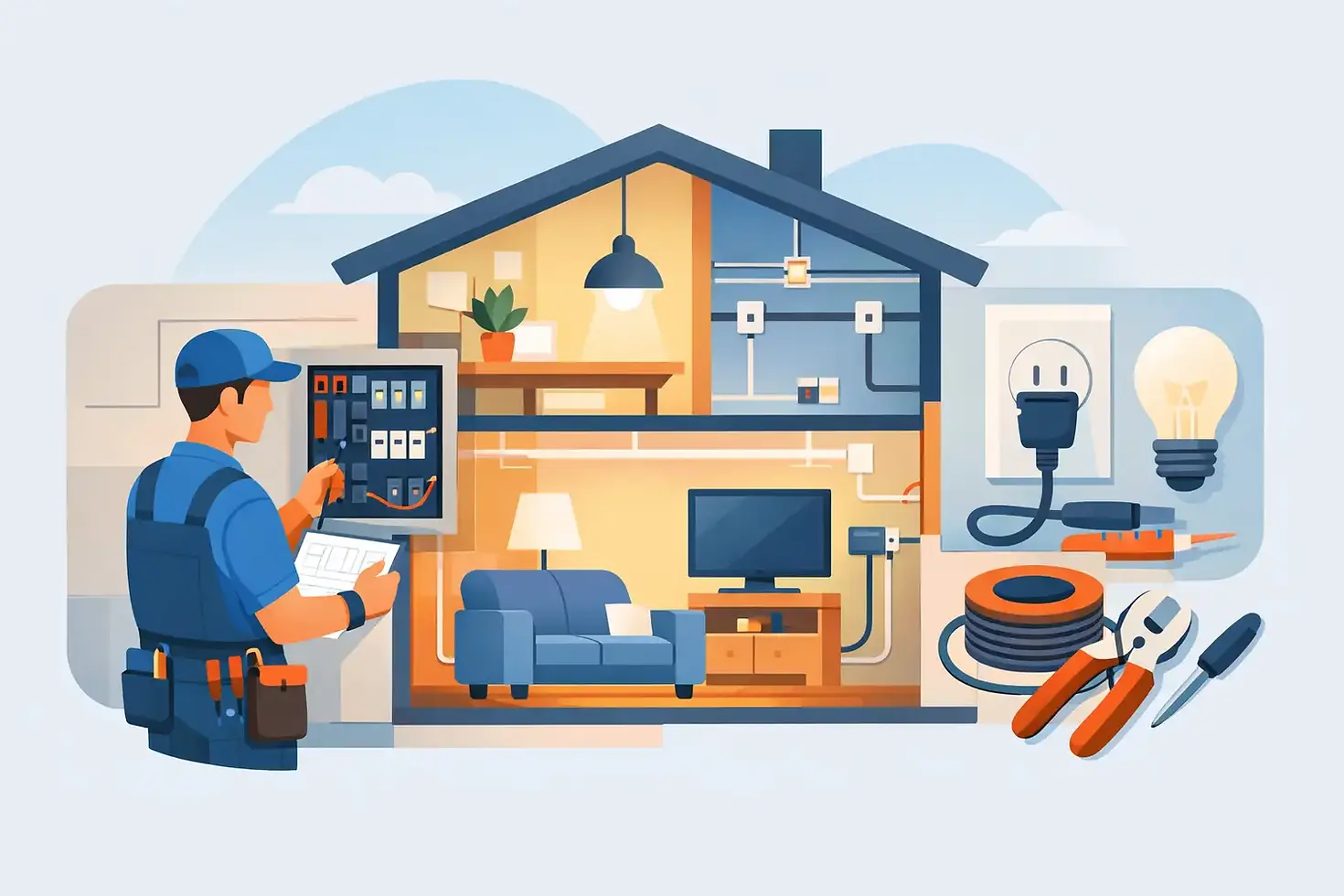
That sounds straightforward, but in practice it covers far more than sockets and light switches. A domestic electrical installation includes the fixed wiring in a property, the circuits that feed lighting and power, the protective devices in the consumer unit, earthing and bonding arrangements, and the points where equipment is connected. It is the backbone of how electricity is distributed through a house, flat or rental property.
For homeowners and landlords, the reason this matters is simple. A safe installation helps protect people from electric shock, reduces fire risk, and supports compliance with current regulations. A poor one can do the opposite, often without obvious warning signs until a fault develops.
What is domestic electrical installation in practical terms?
A practical way to think about it is this: domestic electrical installation is the fixed electrical infrastructure of a home. It is not the kettle or the television itself, but the parts of the property that supply those items with electricity.
That usually includes wiring hidden in walls and ceilings, socket outlets, lighting points, cooker circuits, shower circuits, extractor fans, smoke alarms, consumer units, isolation switches, and the protective measures that make the whole system safe. In some homes it may also include outdoor supplies for sheds, garages, garden lighting, EV chargers or hot tubs.
The word installation can describe a brand new system in a newly built property, but it also applies to alteration work in existing homes. If an electrician adds new circuits, replaces old wiring, installs additional sockets, fits downlights, upgrades a fuse board or carries out a partial rewire, that is all part of domestic electrical installation work.
What a domestic installation is made up of
Every home installation has a few core parts working together. The incoming supply enters the property and feeds the main electrical distribution point, usually the consumer unit. From there, electricity is split into circuits for different uses, such as upstairs lighting, downstairs sockets, the cooker, shower or immersion heater.
Protection is a major part of the system. Modern installations use devices designed to disconnect the supply quickly if a fault is detected. This limits the risk of overheating, electric shock and fire. Earthing and bonding are just as important. They provide a route for fault current and help keep exposed metalwork at a safe potential if something goes wrong.
Then there are the visible accessories - sockets, switches, light fittings, fused connection units and isolators. These are the parts people interact with every day, but they are only one section of the wider installation.
Why safety is central to domestic electrical installation
Electrical work in homes is not just about making things work. It is about making sure they continue to work safely under normal use and during fault conditions.
A domestic installation may look fine from the outside while hiding serious issues behind the walls. Older properties can contain outdated wiring, poor connections, damaged cable insulation or inadequate protective devices. DIY alterations can introduce further problems, especially where work has not been properly tested.
Common warning signs include sockets that feel warm, lights that flicker, a burning smell near fittings, repeated tripping, buzzing sounds from the consumer unit, or discolouration around accessories. Sometimes there are no obvious signs at all, which is why inspection and testing are so important.
For landlords, there is the added responsibility of keeping rental properties electrically safe. For homeowners, the risk is more personal but no less serious. In both cases, proper installation work and certification give you confidence that the system has been checked against the required standards.
When domestic electrical installation work is needed
Not every property needs a full rewire, and not every electrical issue means the whole installation is unsafe. It depends on the age of the system, the condition of the wiring, the number of previous alterations, and whether the installation still suits the way the property is used today.
A home may need installation work when it is being extended or renovated, when a consumer unit is being upgraded, when a kitchen or bathroom is refitted, or when high-load equipment such as an electric shower or EV charger is being added. It is also common in older homes where the original wiring has reached the end of its serviceable life.
There are also cases where the installation technically works, but no longer offers the level of protection expected under current standards. That does not always mean instant danger, but it can mean the system should be improved. An inspection report helps clarify that distinction.
What is included in professional installation work?
Professional domestic electrical installation work normally starts with assessing the property and understanding what the circuits need to supply. That includes load requirements, cable routes, suitable protective devices, and whether the existing system can safely support the proposed work.
The installation itself may involve running new cables, replacing damaged or outdated wiring, fitting new accessories, upgrading the consumer unit, improving earthing and bonding, and carrying out full testing when the work is complete. Testing is not an optional extra. It is the part that confirms the installation is functioning correctly and that safety measures operate as intended.
Documentation matters too. Depending on the work, this can include certificates that record what has been installed, what has been tested, and whether the system meets the applicable requirements. This is useful not only for safety, but also for landlords, property sales, insurance queries and future maintenance.
Domestic electrical installation and regulations
In the UK, domestic electrical work should comply with the current wiring regulations and, where relevant, building control requirements. The exact technical detail is handled by the electrician, but for the customer the key point is that installation work should never be treated as guesswork.
Some jobs are minor and straightforward. Others, especially in kitchens, bathrooms or where new circuits are involved, need closer attention to compliance and certification. That is why using a qualified electrician is the sensible route. Good installation work is not just about getting power from one point to another. It is about selecting the right materials, installing them properly, and testing the result thoroughly.
Older properties and hidden issues
Across Blackpool and the Fylde Coast, many homes have been altered over decades. Extensions are added, garages are converted, extra sockets are fitted and old fittings are replaced. Over time, this can create a patchwork installation where some parts are modern and others are not.
That is often where problems start. An old cable may still be feeding a newer circuit. A consumer unit may have been upgraded, but the earthing may not have been brought fully up to standard. Previous repairs may have solved the immediate fault without addressing the underlying issue.
This is why inspection, fault finding and installation work often go hand in hand. At Blackpool & Fylde Electrical Services Limited, that practical approach is part of doing the job properly - not just making the fault disappear for a day, but making sure the installation is safe to rely on.
How to tell if your home may need attention
If your property has not been inspected for many years, if the wiring is visibly old, or if you are relying on extension leads because there are not enough sockets, it is worth getting the installation looked at. The same applies if you have just moved into an older home and have no clear record of previous electrical work.
Landlords should be especially alert to dated installations, as wear and tear can build up quietly between tenancies. Homeowners planning renovations should also bring an electrician in early. It is usually easier and more cost-effective to deal with wiring before plastering, decorating or kitchen fitting starts.
A proper assessment can tell you whether you need a full rewire, a partial upgrade, a consumer unit replacement, remedial work, or simply reassurance that the installation is in good condition. The right answer depends on the property, not a one-size-fits-all rule.
Domestic electrical installation is, at heart, the safe structure behind everyday living - the part of your home’s electrical system you rarely see, but depend on every day. If there is any doubt about its condition, it is far better to ask the question early than wait for a fault to make the decision for you.


Comments